

Risk Management
A single framework to Identify, Assess and Manage sustainability risks
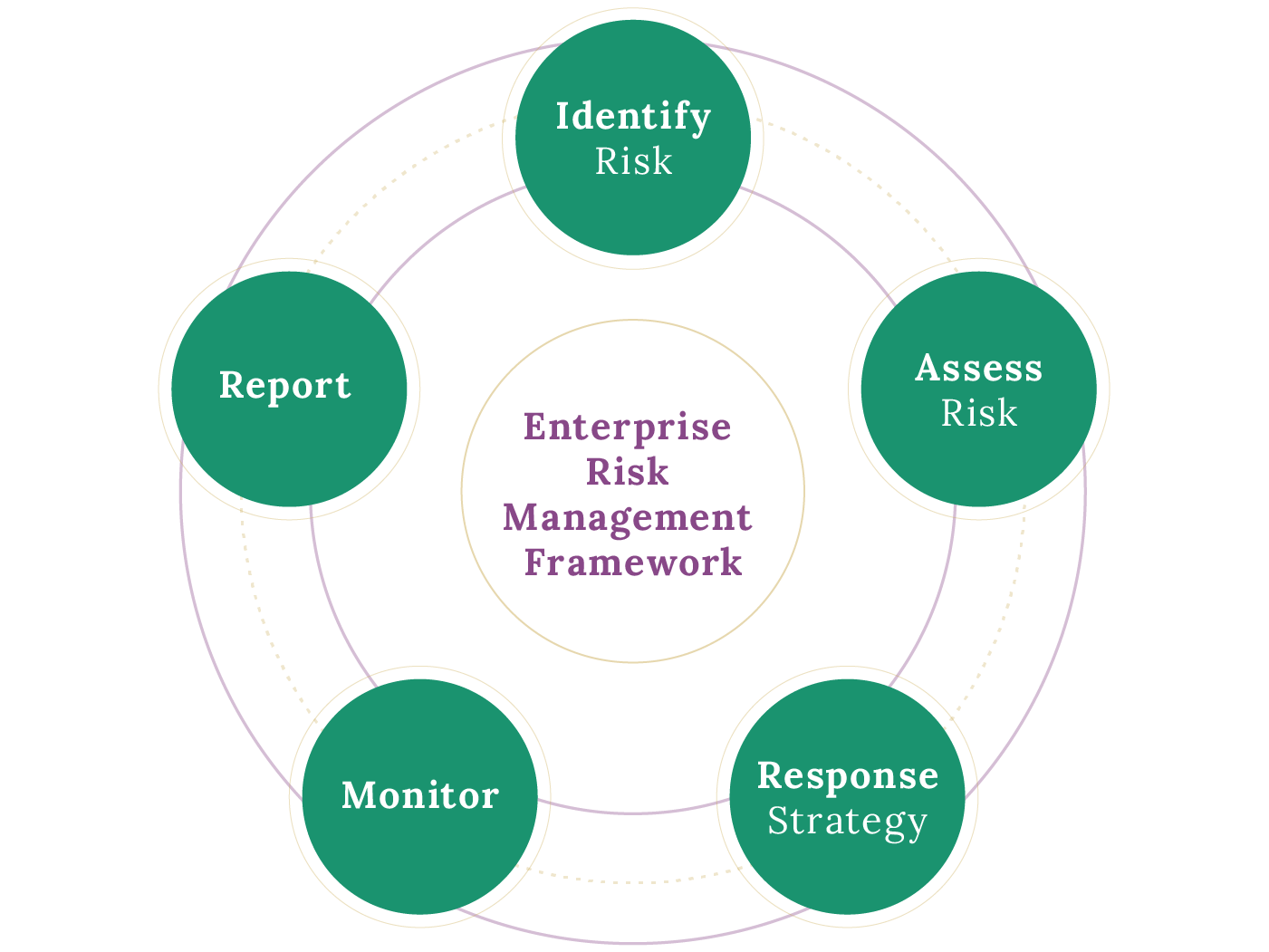
We leverage on our Enterprise Risk Management Framework to identify, assess, and manage sustainability risks alongside all other risks.
Our overall approach to risk identification considers the evolving regulatory and legal landscape, product, and business changes as well as industry developments such as disruptive technology and changes in the market.
All risks are assessed based on likelihood and materiality parameters which examines the possible extent of financial loss, reputational damage, and degree of operational impact.
Pre-Investment Stage
We place significant emphasis at pre-investment stage to identify and assess material sustainability risks

We use RepRisk to review the GP’s reputational risk ratings as well as screen for any past environmental or reputational issues, giving due consideration to incident severity, frequency, and source

Our ESG due diligence process is elaborated under the Sustainability Strategy section, explaining how we conduct GP Selection. Where possible, we apply the Sustainability Accounting Standards Board (“SASB”) guidance to examine relevant material sustainability topics

Summary of assessment and findings are included in the investment proposal
Post-Investment Stage
Post-investment, we continue to monitor the GP’s commitment to ESG integration

Post-investment, we continue to screen for material issues and raise potential sustainability issues for discussion at portfolio monitoring meetings. We review our GPs sustainability reports to monitor the overall risk profile of our investment portfolio. We also conduct annual surveys on our GPs to better identify, assess and manage environmental risks in our portfolio.

We have invested in data sources and technology to help us estimate financed emissions. We utilise both quantitative and qualitative means to engage relevant GPs on potentially material ESG issues. Our investment team is responsible for addressing any material risks identified and our investors will be informed through existing reporting channels.